
Do I Need a Permit for a Carport? Complete Guide to SC Requirements
By Dubya Carports | June 27, 2026 | 8 min read
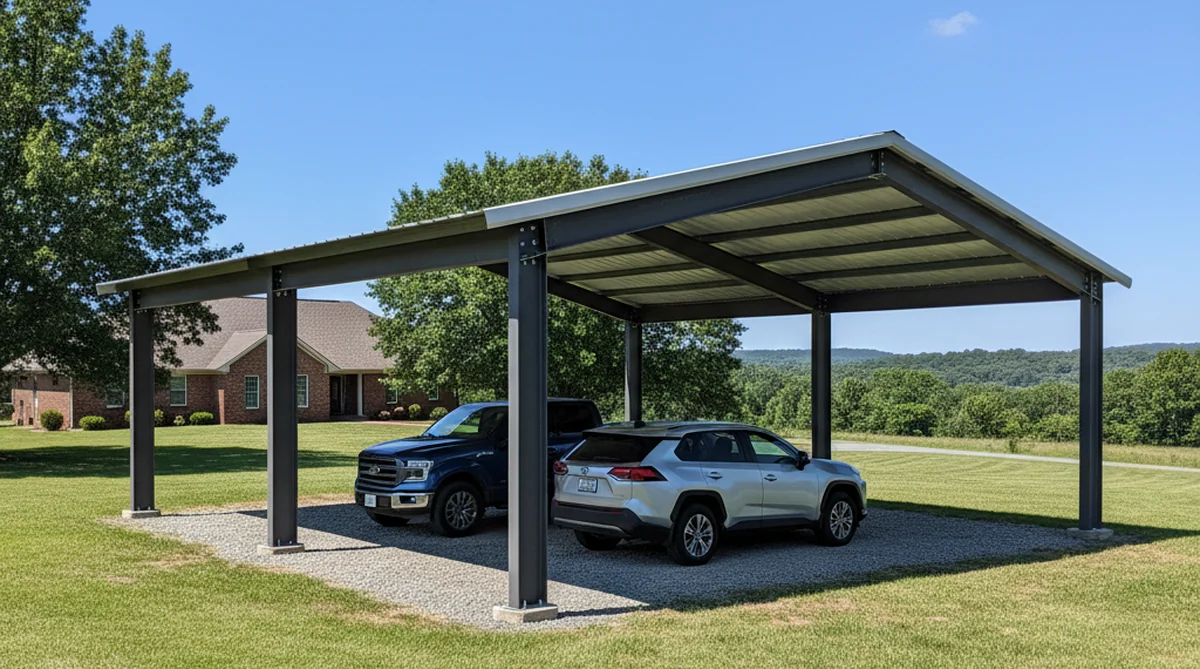
In most South Carolina counties, you DO need a building permit for a carport. The exact requirements depend on your county and the size of the structure, but any permanent carport that is anchored to the ground typically falls under local building regulations. This guide covers carport permit requirements across South Carolina so you know exactly what to expect before you build.
Whether you live in Orangeburg, Columbia, Charleston, Greenville, or anywhere else in the Palmetto State, understanding local carport building permit rules is essential before starting your project. Building without a required permit can result in fines, forced removal, and complications when selling your property or filing insurance claims.
Do I Need a Permit for a Carport in South Carolina?
Yes, in virtually every South Carolina county, you need a building permit for a permanent carport. The SC Building Codes Council adopts the International Building Code (IBC) and International Residential Code (IRC) with state-specific amendments, and most counties enforce these codes for any anchored structure. Temporary or portable carports that sit on blocks without permanent anchoring may not require permits, but this depends on size, location, and your specific county's interpretation.
The key factor that determines whether you need a permit is whether the carport is permanently attached to the ground. If you're pouring concrete footings, setting posts in the ground, or anchoring to an existing slab, you almost certainly need a permit. At Dubya Carports, we handle the permit process for our customers, providing engineered drawings and working directly with local building officials to ensure full compliance across all SC counties we serve.
Carport Permit Requirements by County in South Carolina
While the general rule is that permits are required, the specific requirements vary by county. Here's what you need to know about carport building permit rules across major SC counties:
- Orangeburg County: Requires engineered drawings with a professional engineer's stamp. Permits typically cost $50-$200. Setbacks of 5-10 feet from side/rear property lines and 20-35 feet from front property lines apply. Wind load minimum of 115-120 mph.
- Lexington County: Permits required for any carport over 200 sq ft or permanently anchored. Site plan showing property lines and setbacks required. Inspections include foundation and final.
- Richland County: Building permits required for all permanent carports. Requires structural calculations for wind and snow loads. Inspections at footing and final stages.
- Charleston County: Wind load requirements are stricter due to coastal proximity — minimum 130-150 mph in some zones. Engineered drawings with PE stamp typically required. Flood zone regulations may also apply.
- Greenville County: Permits required for anchored structures. Setback requirements vary by zoning district. Snow load calculations required for higher-elevation areas.
- Dorchester County: Building permits required for carports over 120 sq ft. Site plan and engineered drawings typically needed. Inspections required at multiple stages.
This is not an exhaustive list, and requirements can change. Always confirm with your local building department before starting construction. If you're unsure about your county's requirements, call Dubya Carports at (803) 855-1857 and we'll help you figure out what's needed for your specific location.
What Building Codes Apply to Carports in South Carolina?
South Carolina adopts the International Building Code (IBC) and International Residential Code (IRC) with state-specific amendments. These codes establish minimum standards for structural integrity, wind resistance, and safety. Key code requirements for carports include:
- Wind load requirements: South Carolina is divided into wind zones. Coastal counties (Charleston, Beaufort, Horry) typically require 130-150+ mph wind ratings, while inland counties (Orangeburg, Lexington, Richland) require 105-120 mph minimums. Your carport must be engineered for your specific location's wind speed.
- Foundation specifications: Concrete footings must meet minimum depth requirements based on frost line and soil conditions. Ground anchors must be rated for your soil type and wind zone.
- Setback distances: Most counties require 5-10 feet from side and rear property lines, and 20-35 feet from front property lines. Rural properties may have different requirements than suburban subdivisions.
- Height restrictions: Residential zones often limit structure height to 15-20 feet. Commercial and agricultural zones may allow taller structures.
- Snow load: Though less of a concern in most of SC, upstate counties and higher elevations may have minimum snow load requirements.
Our heavy-gauge Eagle Carports are engineered to exceed these minimum requirements, with certified engineering stamps that streamline the permit process. Unlike lightweight kit carports that may struggle to meet SC wind load standards, our structures are built to withstand the Palmetto State's toughest weather.
How to Apply for a Carport Building Permit in South Carolina
The permit application process varies by county, but generally follows these steps:
- Step 1: Contact your county building department or visit their website to determine specific requirements and obtain application forms.
- Step 2: Prepare a site plan showing your property lines, existing structures, and the proposed carport location with setback measurements.
- Step 3: Obtain engineered drawings from your carport manufacturer. Reputable manufacturers like Eagle Carports provide certified engineering drawings with wind load calculations and PE stamps.
- Step 4: Submit your completed application package including site plan, engineered drawings, manufacturer specifications, and proof of property ownership.
- Step 5: Pay the permit fee (typically $50-$200 for residential carports) and wait for review, which usually takes 2-4 weeks.
- Step 6: Schedule required inspections — typically a foundation inspection and a final inspection after installation.
Working with an experienced installer who handles the permit process can save you significant time and frustration. At Dubya Carports, we manage the entire permitting process for our customers, from engineered drawings through final inspection approval. Learn more about our carport installation process in Orangeburg County and across SC.
What Happens If You Build a Carport Without a Permit?
Building a carport without the required permit in South Carolina carries several risks:
- Fines and penalties: Counties can issue citations with fines that often exceed the cost of the permit itself.
- Forced removal: In extreme cases, unpermitted structures must be removed at the owner's expense.
- Insurance complications: Your homeowner's insurance may deny claims related to an unpermitted structure.
- Property sale issues: Unpermitted structures can complicate real estate transactions, requiring retroactive permits or removal before closing.
- Liability: If an unpermitted structure causes injury or damage, you may face increased legal liability.
The cost and hassle of getting a permit are far less than the consequences of building without one. Let us help you do it right the first time.
Permit Exemptions: When You Might Not Need a Permit
Some limited exemptions may apply in certain situations:
- Temporary/portable carports: Carports that sit on the ground without permanent anchoring may not require a permit in some counties. However, even these may be regulated if they exceed certain size thresholds.
- Agricultural exemptions: Some rural properties zoned for agricultural use may have relaxed requirements for farm-related structures.
- Size thresholds: A few counties exempt structures under a certain square footage (often 100-200 sq ft), but this varies widely.
These exemptions are limited and vary by county. Never assume you're exempt without confirming with your local building department first.
Why Choose Custom Heavy-Gauge Carports for Easier Permit Approval
Custom heavy-gauge steel carports from manufacturers like Eagle Carports offer significant advantages during the permitting process:
- Certified engineering stamps: Our structures come with detailed engineering calculations and PE stamps that building departments recognize and accept.
- Code-compliant design: Eagle Carports designs meet or exceed SC building code requirements including wind loads, snow loads, and structural standards.
- Detailed documentation: Complete manufacturer specifications, warranty information, and load calculations are provided with every structure.
- Faster approvals: Because our documentation is complete and professional, permit reviews are typically smoother and faster.
In contrast, generic kit carports often use lighter-gauge materials and may lack proper engineering documentation, leading to permit rejections, costly engineering reviews, or structural failures down the road. Our structures are built to last and designed to pass inspection the first time.
Frequently Asked Questions
How much does a carport permit cost in South Carolina?
Permit fees for carports in South Carolina typically range from $50 to $200 for standard residential structures. The exact fee is based on the project's valuation and varies by county. Some counties charge a flat fee, while others calculate based on square footage or construction value.
Can I install a carport without a permit in SC?
Installing a permanent carport without a permit is not recommended and is generally illegal in South Carolina counties. Unpermitted structures can result in fines, forced removal, and complications when selling your property or filing insurance claims. Always check with your local building department before installation.
What happens if my carport permit application is denied?
If denied, the building department will provide specific reasons such as setback violations or insufficient engineering documentation. You can address these issues and resubmit, or work with your installer to modify the design. With pre-engineered Eagle Carports and an experienced installer, denials are rare.
Do I need an engineer's stamp for my carport in South Carolina?
Many South Carolina counties require engineered drawings with a professional engineer's stamp for carport permits, especially for structures over certain size thresholds or in higher wind zones. Reputable manufacturers like Eagle Carports provide certified engineering documents with their structures, which simplifies this requirement.
How long is a carport permit valid in SC?
Building permits in South Carolina counties are typically valid for 6-12 months from the date of issuance. If construction isn't completed within that timeframe, you may need to apply for an extension or obtain a new permit. Most residential carport installations are completed well within this window.
Frequently Asked Questions
How much does a metal carport permit cost in Neeses, SC?
Permit fees in Orangeburg County are typically based on the project's valuation and generally range from $50 to $200 for standard residential metal carports. The exact fee is determined by the county building department based on your specific project details and square footage.
Can I install a metal carport without a permit in Neeses?
Installing a permanent metal carport without a permit is not recommended and may be illegal in Orangeburg County. Unpermitted structures can result in fines, forced removal, and complications when selling your property or filing insurance claims.
What happens if my metal carport permit application is denied?
If denied, the building department will provide specific reasons for the rejection, such as setback violations or insufficient engineering documentation. You can address these issues and resubmit your application, or work with your installer to modify the design to meet requirements.
Do I need an engineer's stamp for my metal carport in Orangeburg County?
Yes, Orangeburg County typically requires engineered drawings with a professional engineer's stamp for metal carport permits. Reputable manufacturers like Eagle Carports provide certified engineering documents with their structures, which simplifies this requirement.
How long is a metal carport permit valid in Neeses, SC?
Building permits in Orangeburg County are typically valid for 6-12 months from the date of issuance. If construction isn't completed within that timeframe, you may need to apply for an extension or obtain a new permit.
Updated June 27, 2026 | Dubya Carports serves Orangeburg, Cordova, North, Rowesville, Cameron, and all of Orangeburg County, SC, plus surrounding areas.
Get a Free Estimate
Custom carport installation in Orangeburg County. Call us today for a no-obligation quote.
(803) 855-1857 Free Estimate Form